For nearly eight decades, Dolly Parton seemed to live according to one simple rule: never stop moving forward.
“I ain’t never going to be old because I ain’t got time to be old,” she once said.
Those words captured the philosophy behind a remarkable life — one that began in extreme poverty in the mountains of Tennessee and grew into an extraordinary career encompᴀssing music, Hollywood, business and philanthropy.
According to the account presented in the source material, news of Parton’s death at 80 brought that journey to an emotional conclusion.
Yet the most striking part of the story was not simply that her life had ended.
It was that, almost until the end, Dolly was still talking about tomorrow.
Dolly Rebecca Parton was born on January 19, 1946, in rural Sevier County, Tennessee, the fourth of 12 children.
Her family lived in a tiny cabin in the Great Smoky Mountains, where money was scarce and survival demanded constant work.
One of the most famous stories from her childhood says her father had no money to pay the doctor who delivered Dolly and instead compensated him with a sack of cornmeal.
But poverty never became the defining emotion of Dolly’s memories.
She remembered family, faith and music.
Her mother transformed scraps of fabric into a coat for her daughter, inspiring what would eventually become one of Dolly’s most beloved compositions, “Coat of Many Colors.”
Church music became her earliest musical education, while her uncle Bill Owens recognized her talent and helped nurture it.
By nine, Dolly was already performing on local radio and television.
Then, in 1964, immediately after finishing high school, the 18-year-old boarded a bus for Nashville.
She had almost nothing — except ambition.
The Decision That Changed Everything
Dolly’s partnership with Porter Wagoner helped turn her into a nationally recognized country performer.
But success came with a problem: she wanted independence.
Instead of leaving through an ugly public battle, Dolly expressed herself in the language she understood best.
She wrote “I Will Always Love You.”
The song was both a thank-you and a goodbye.
Then came an even more consequential decision.
Elvis Presley wanted to record the song, but his manager, Colonel Tom Parker, reportedly required Dolly to surrender half of her publishing rights.
She refused.
For a young songwriter, saying no to Elvis could have seemed unthinkable.
But Dolly understood something many artists learn too late: a song is not merely art. It is intellectual property.
Years later, Whitney Houston transformed “I Will Always Love You” into a worldwide phenomenon through The Bodyguard.
Because Dolly had protected her publishing, the decision she made decades earlier became one of the defining business choices of her career.
That combination — warmth on the outside, steel underneath — would define almost everything that followed.
The Businesswoman Behind the Rhinestones
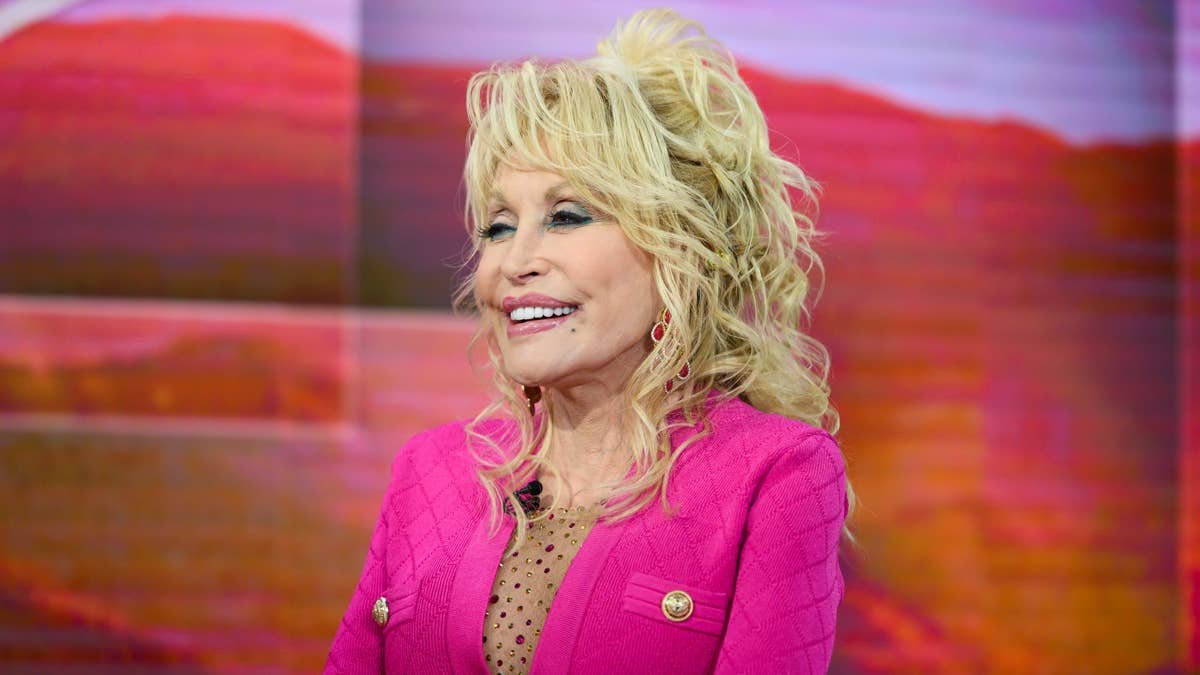
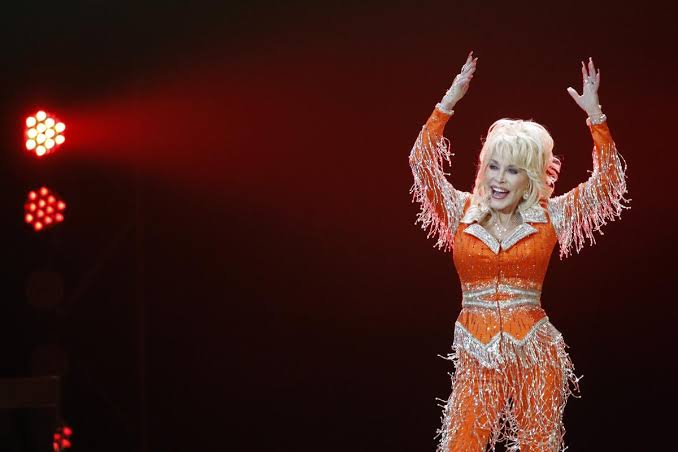
Audiences knew the towering blonde wigs, rhinestones and exaggerated glamour.
Dolly knew exactly what they were looking at.
“It costs a lot of money to look this cheap,” became one of her most memorable jokes.
But underneath the carefully constructed image was a remarkably disciplined businesswoman.
In 1986, she helped transform an amusement park in Pigeon Forge into Dollywood.
Rather than simply licensing her famous name, she became actively involved and insisted that the attraction remain rooted in Appalachian culture.
The gamble worked.
Dollywood developed into a major tourism destination and economic force in East Tennessee.
At the same time, Dolly maintained control over an enormous songwriting catalog while expanding into film, publishing and other ventures.
She had escaped poverty, but she never really escaped Tennessee.
She chose instead to bring opportunity back home.
Her Greatest Investment Wasn’t in Herself
Perhaps Dolly’s most enduring work happened away from a recording studio.
Her father never learned to read or write.
In his honor, she created the Imagination Library in 1995, beginning with a simple idea: send books to young children for free.
According to the supplied material, the initiative eventually distributed more than 270 million books internationally.
When wildfires devastated East Tennessee in 2016, Dolly created the My People Fund to provide direct financial ᴀssistance to affected families.
During the COVID-19 pandemic, she donated $1 million to Vanderbilt University Medical Center, supporting research connected with the development of the Moderna vaccine.
These acts reveal something essential about her legacy.
Dolly did not merely give money away.
She repeatedly identified problems she understood personally — poverty, illiteracy, disaster, lack of opportunity — and tried to build practical solutions.
The Love Story Almost Nobody Saw
Behind the public spectacle was another constant: Carl Dean.
Dolly met him outside a Nashville laundromat in 1964, on her first day in the city.
They married two years later.
While Dolly became one of America’s most recognizable entertainers, Dean chose almost complete privacy.
Their differences somehow became their strength.
She lived beneath the lights.
He gave her somewhere to return when those lights disappeared.
Their marriage lasted nearly six decades.
The source account describes Dean’s death in 2025 as a devastating emotional blow to Dolly and portrays her own health as declining afterward.
Yet even as her strength diminished, the defining characteristic remained.
She kept planning.
Four Days That Changed the Meaning of Her Final Words
According to the supplied narrative, on August 21, 2026, Dolly discussed her health while simultaneously speaking about projects still ahead.
There were plans involving new technology, Nashville projects and progress on her Broadway musical.
She was not speaking like someone writing an ending.
She was describing a future.
The account then places her death only four days later.
That proximity gives those words an entirely different emotional weight.
There was apparently no grand final speech designed for history. No carefully scripted farewell intended to make millions cry.
Instead, the message came through the way she had always lived:
Keep going. Keep creating. Keep believing there is something ahead worth reaching for.
That may ultimately be more powerful than any formal goodbye.
Dolly Parton’s legacy cannot be measured only through record sales, No. 1 songs, awards or money.
It lives in children who received their first books.
It lives in Tennessee families who found work and opportunity.
It lives in songwriters who learned that owning their work matters.
And it lives in generations of listeners who saw a woman born with almost nothing refuse to become anyone except herself.
The little girl from the Smoky Mountains eventually became one of the most recognizable women on Earth.
Yet the final lesson attributed to her was remarkably simple.
Tomorrow still mattered.
There was always another song to write, another person to help and another dream worth chasing.
And perhaps that is why Dolly Parton’s story does not truly end with a goodbye.
It ends looking forward.